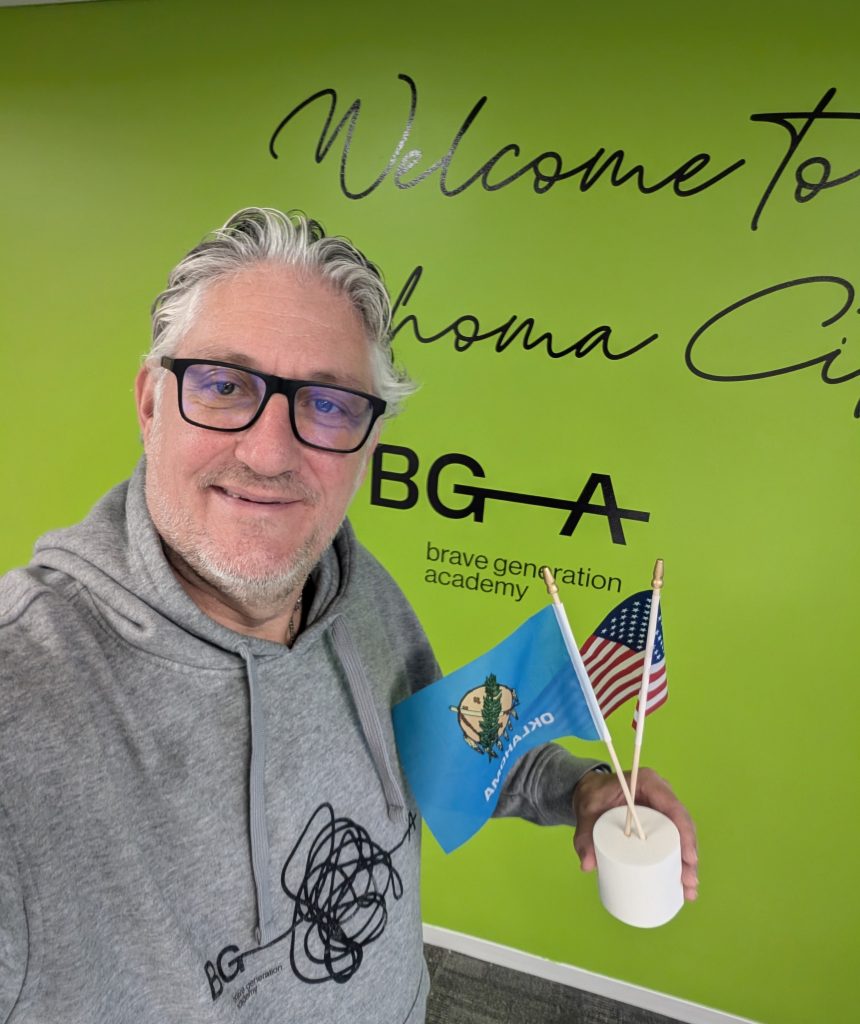
My experience in Oklahoma has been extremely positive. The people are welcoming, practical, and straightforward. There’s a clear sense that hard work is rewarded and allowed, something that feels different from places where effort is quietly constrained by rigidity or bureaucracy. That environment is a big reason I’ve come here not only to invest but also to contribute to the state’s long-term strength.
Education is the most practical way to do that. As I’ve argued before, we don’t need to change everything about schooling just a few straightforward, high-impact things. Traditional models, largely unchanged for a century, often treat learning as a fixed, group-paced process. Students have different interests, speeds, and strengths. When systems give them more choice in subjects and pace, better use of technology, peer support, flexible timing, and real-world connections like internships, outcomes improve for more students. It’s not a zero-sum game. Stronger learners aren’t held back, and others aren’t left behind. Everyone can rise in the same tide of better preparation, healthier well-being, and clearer paths to work.
Oklahoma already shows pieces of this. Higher education delivers strong economic returns and keeps most graduates in the state. Career and technical programs are respected for aligning with actual jobs. School-choice options and open enrollment give families more pathways. These are real assets. At the same time, broader K–12 results have faced challenges even as resources have grown. The gap is often more about system design, slow feedback, limited flexibility, resistance to practical adaptation than about the students or teachers themselves.
One concrete way forward is BGA-powered schools that can serve both private and public settings. The approach we developed at Brave Generation Academy uses today’s technology and common sense to upgrade the student experience without requiring a total overhaul. Students select from wider subject options, progress at their own pace, and learn in mixed-age environments that encourage peer-to-peer support rather than pure competition. Learning coaches guide and mentor instead of only lecturing. Flexibility in hours, exam timing, and integration of sports, arts, or local internships reduces anxiety and builds life balance. Soft skills, continuous learning, and practical experience sit alongside academics. The model is deliberately adaptable: private schools can adopt it more freely as a full or partial framework, while public schools or districts can pilot partnerships, hybrid hubs, or elements that fit existing frameworks especially where school choice, CareerTech alignment, or open enrollment already create room to experiment.
This isn’t about replacing what works in Oklahoma; it’s about extending the state’s respect for hard work into education. When students can follow interests, manage responsibility, and see direct links to local opportunities, more of them stay, contribute, and succeed. Private schools can move quickly to demonstrate results. Public pilots can test the same ideas within accountability structures, showing what’s possible without waiting for statewide transformation. States that adapt these practical tools faster will attract and retain talent in an economy where skills and adaptability matter more than rigid credentials.
Oklahoma’s welcoming culture and rewards for effort make it a natural place for this kind of contribution. Investing here means supporting businesses that create jobs and also backing education models that prepare more young people for those jobs. The future doesn’t have to be reserved for a few. With focused, realistic improvements and powered by approaches like BGA that prioritize students, flexibility, and real-world readiness then more Oklahomans can rise together. That’s the opportunity I see, and why I’m glad to be part of it.
Tim Vieira | November 2026
Founder Brave Generation Academy (BGA)